Compassionate Care for Everyday Gynecologic Concerns
Seeking expert gynecology care in Manassas for abnormal bleeding, PCOS, and pelvic pain?
General gynecology focuses on the most common—and most disruptive—conditions that affect women throughout their lives. These symptoms are often minimized, normalized, or ignored for years, even when they interfere with work, relationships, fertility, and overall quality of life.
According to the American College of Obstetricians and Gynecologists (ACOG), millions of women live with untreated gynecologic symptoms simply because they assume pain, irregular bleeding, or recurrent infections are "just part of being a woman." They are not.
You deserve answers. You deserve relief. And you deserve care that treats both the symptoms and the underlying cause.
Abnormal Uterine Bleeding (AUB)
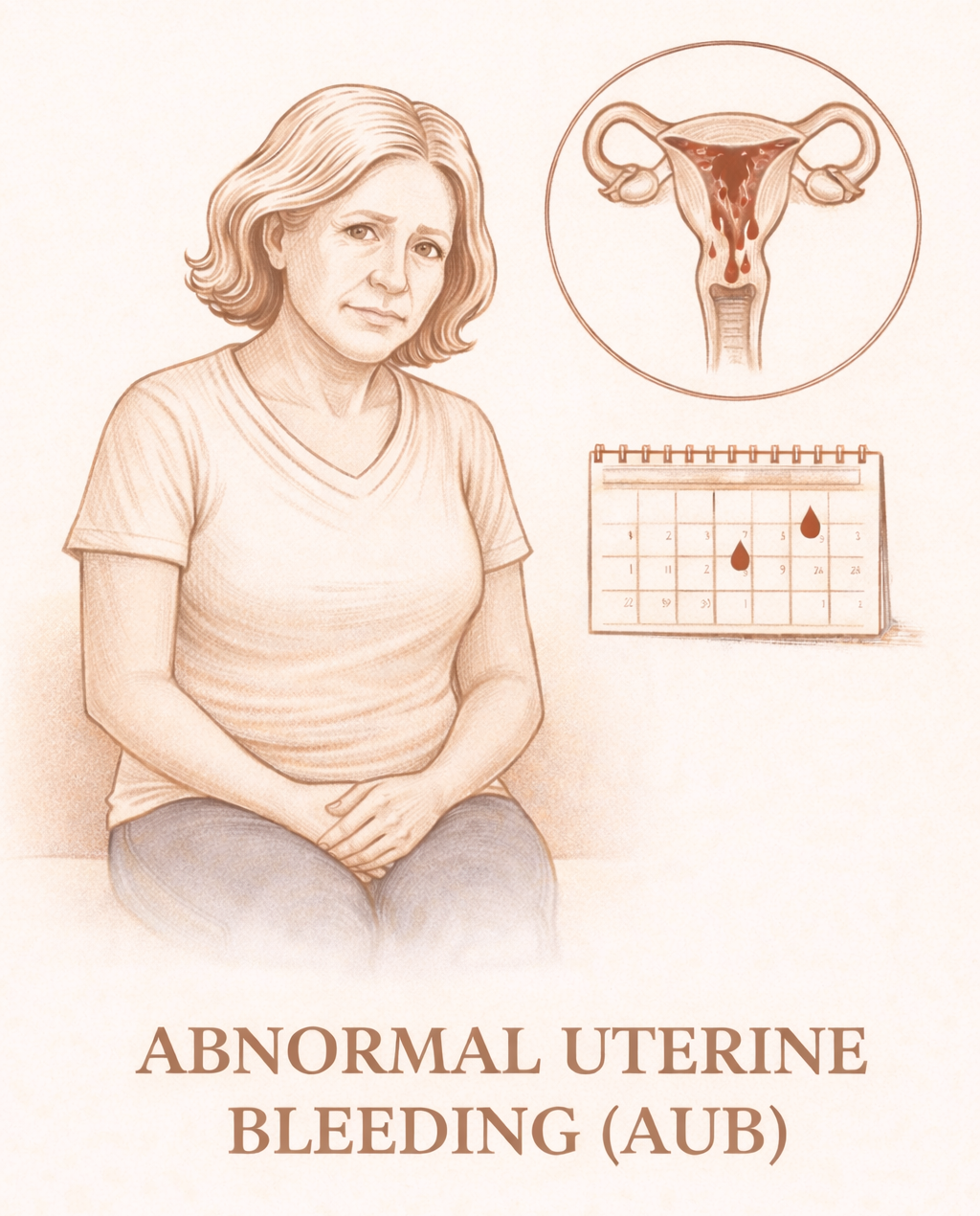
What it is: Bleeding that is too heavy, too frequent, too prolonged, or occurs between periods or after menopause.
Why it matters: According to ACOG and the CDC, up to 1 in 3 women will experience abnormal uterine bleeding at some point. Heavy bleeding is one of the leading reasons for gynecologic visits and hysterectomy in the U.S. Abnormal bleeding can be caused by hormonal imbalances, fibroids or polyps, thyroid disease, bleeding disorders, or endometrial precancer or cancer.
When neglected: Chronic heavy bleeding can lead to iron-deficiency anemia, fatigue, dizziness, shortness of breath, missed work, social withdrawal, and decreased quality of life. Postmenopausal bleeding is especially serious—it must always be evaluated for cancer.
Painful Periods (Dysmenorrhea)
What it is: Menstrual pain that interferes with daily life, school, work, or sleep.
Why it matters: According to the NIH and World Health Organization (WHO), 50–90% of menstruating women experience period pain, and severe pain affects up to 20% of women and is a leading cause of missed school and work. Painful periods may be caused by endometriosis, fibroids, adenomyosis, pelvic infections, or hormonal imbalances.
When neglected: Women often normalize severe pain for years, delaying diagnosis of conditions like endometriosis, which can worsen over time and affect fertility and long-term pelvic health.
Irregular Menstrual Cycles
What it is: Cycles that are too frequent, too far apart, unpredictable, or suddenly changing.
Why it matters: According to ACOG, irregular cycles often signal ovulation disorders, thyroid disease, PCOS, perimenopause, or significant stress or weight changes. Irregular ovulation also increases the risk of infertility, endometrial overgrowth, and abnormal bleeding.
When neglected: Chronic irregular cycles may quietly increase long-term cancer risk and make family planning more difficult without proper diagnosis and management.
Polycystic Ovary Syndrome (PCOS)
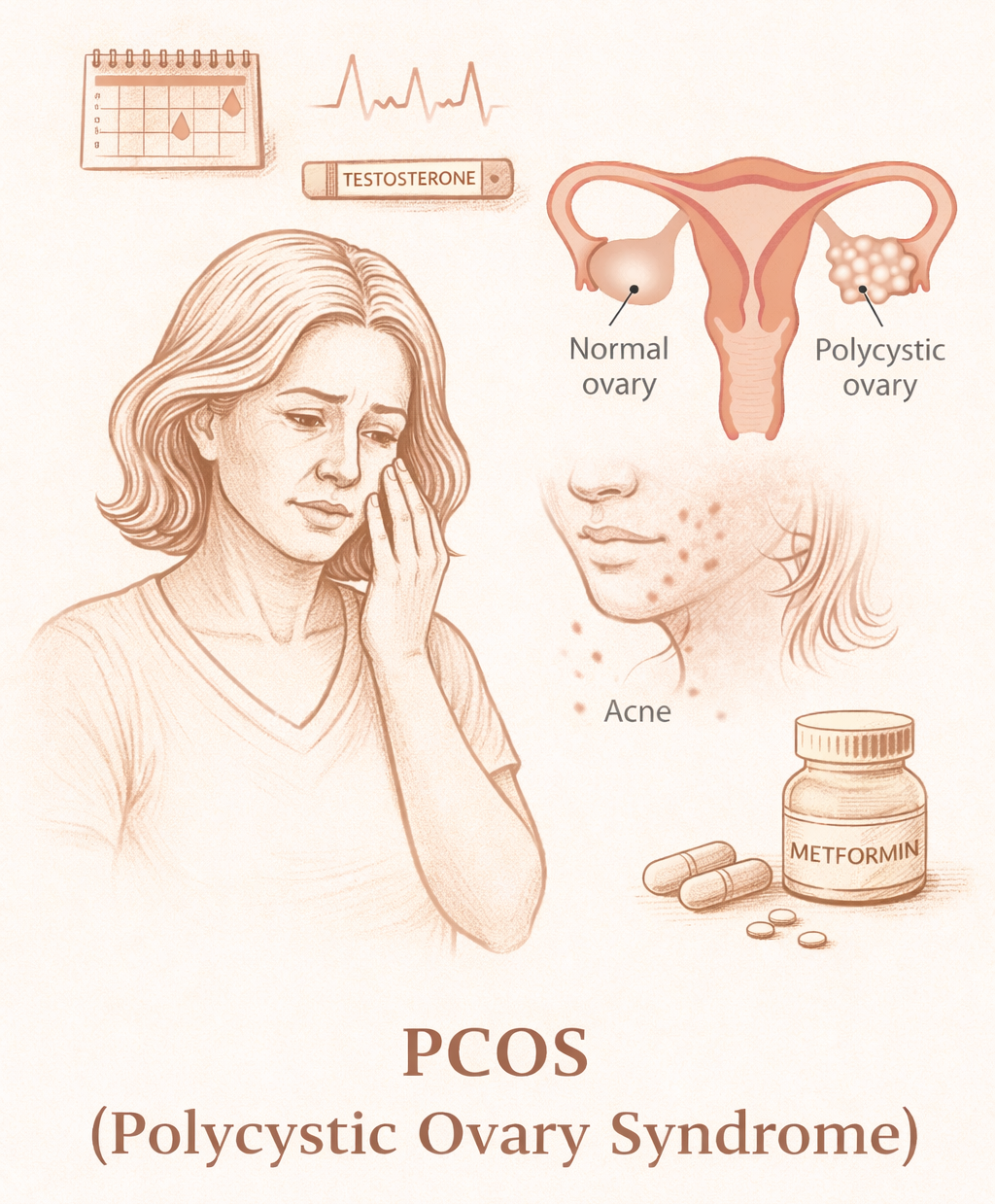
What it is: A common hormonal disorder affecting ovulation, androgens (male-type hormones), and insulin regulation.
Why it matters: According to the CDC and NIH, PCOS affects 1 in 10 women of reproductive age and is the leading cause of ovulatory infertility. Women with PCOS have increased risk of type 2 diabetes, high blood pressure, heart disease, and endometrial cancer. Symptoms may include irregular periods, acne, excess hair growth, weight gain, and fertility difficulties.
When neglected: Untreated PCOS increases lifelong metabolic and cardiovascular risk—not just reproductive challenges.
Vaginal Infections (Yeast, BV, Trichomonas)
What they are: Common infections that disrupt the vaginal microbiome and cause itching, burning, odor, discharge, or pain with intercourse or urination.
Why they matter: According to the CDC, 75% of women will have at least one yeast infection, bacterial vaginosis affects nearly 1 in 3 women, and trichomonas is the most common non-viral STI worldwide.
When neglected: Recurrent or untreated infections increase risk for pelvic inflammatory disease (PID), pregnancy complications, preterm labor, and heightened vulnerability to other STIs.
Pelvic Pain
What it is: Pain in the lower abdomen or pelvis that may be constant or intermittent, related to cycles, or triggered by sex, bowel movements, or urination.
Why it matters: According to the NIH, chronic pelvic pain affects nearly 15% of women and is one of the most complex and emotionally exhausting gynecologic symptoms. Common causes include endometriosis, fibroids, ovarian cysts, pelvic floor dysfunction, or prior infections or surgery.
When neglected: Unmanaged pelvic pain can lead to sexual dysfunction, depression, relationship strain, and long-term nerve sensitization.
Ovarian Cysts
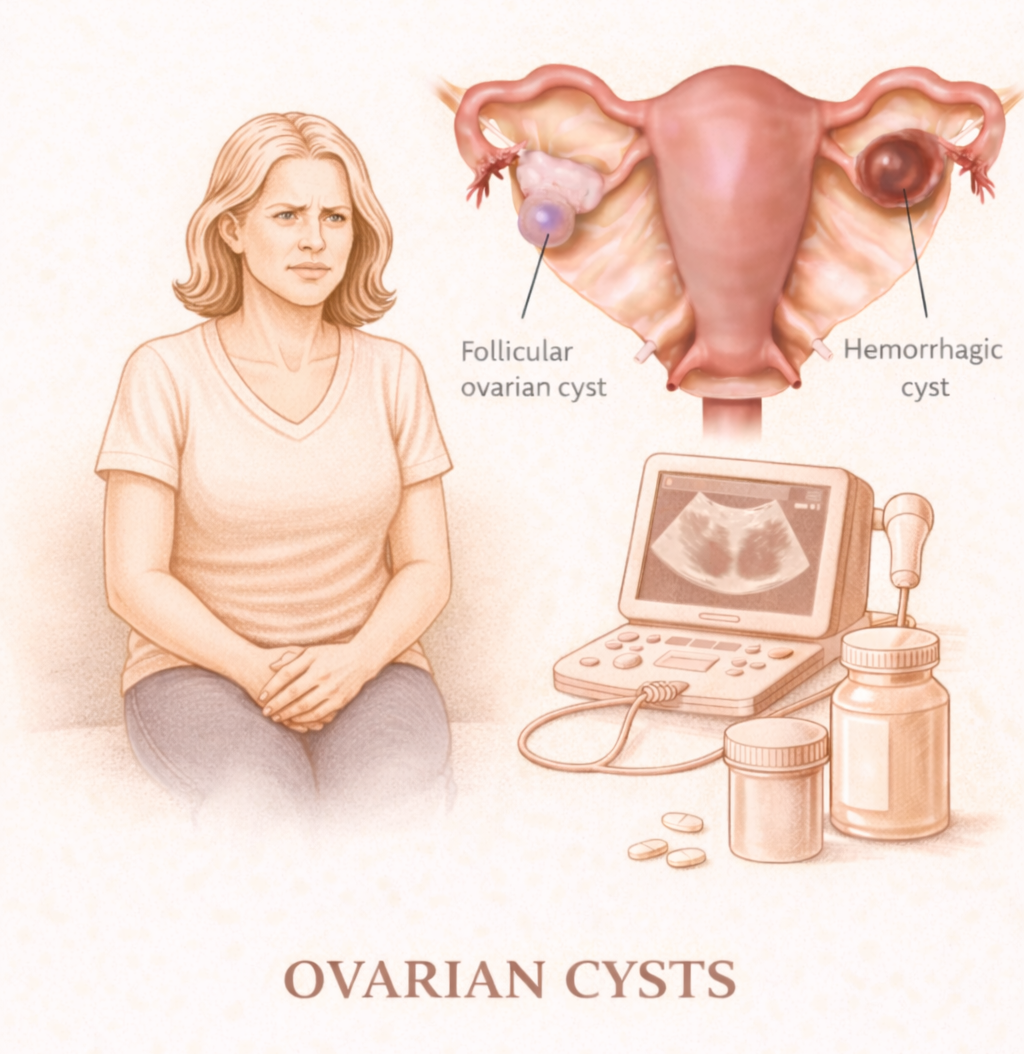
What they are: Fluid-filled sacs that form on or inside the ovary. Most are benign and temporary—but not all.
Why it matters: According to ACOG, most women will develop at least one ovarian cyst in their lifetime. While many resolve on their own, some cause severe pain, ovarian torsion, rupture, or fertility disruption.
When neglected: Large or persistent cysts can twist the ovary (torsion), cutting off blood supply and requiring emergency surgery.
Fibroids (Uterine Leiomyomas)
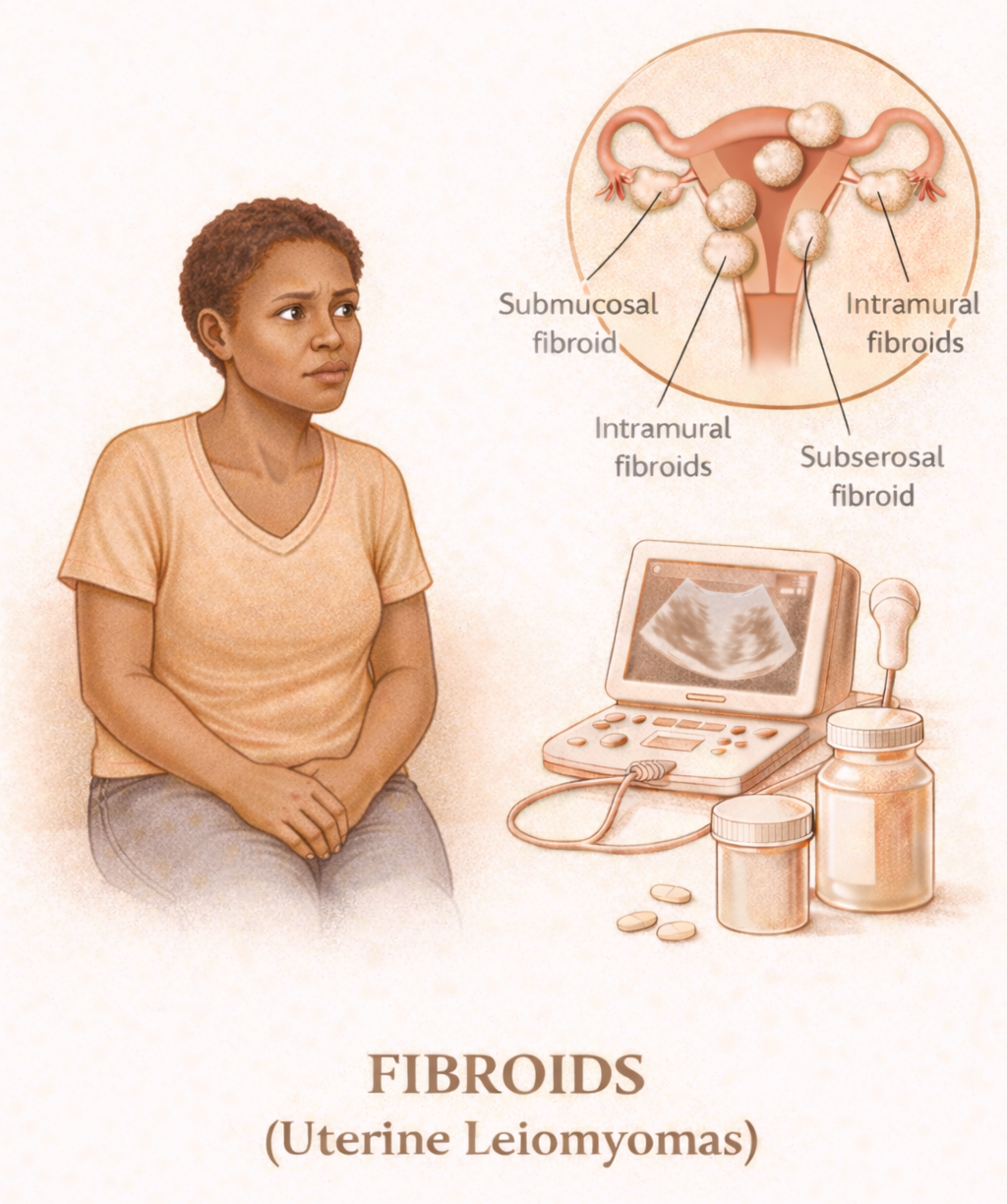
What they are: Benign muscle tumors of the uterus.
Why it matters: According to the NIH, up to 70–80% of women will develop fibroids by age 50. Fibroids are the leading cause of hysterectomy in the U.S. They can cause heavy or prolonged bleeding, pelvic pressure, pain with intercourse, urinary frequency, and fertility challenges.
When neglected: Chronic blood loss from fibroids is one of the most common causes of severe iron-deficiency anemia in women.
Endometriosis (Medical Management)
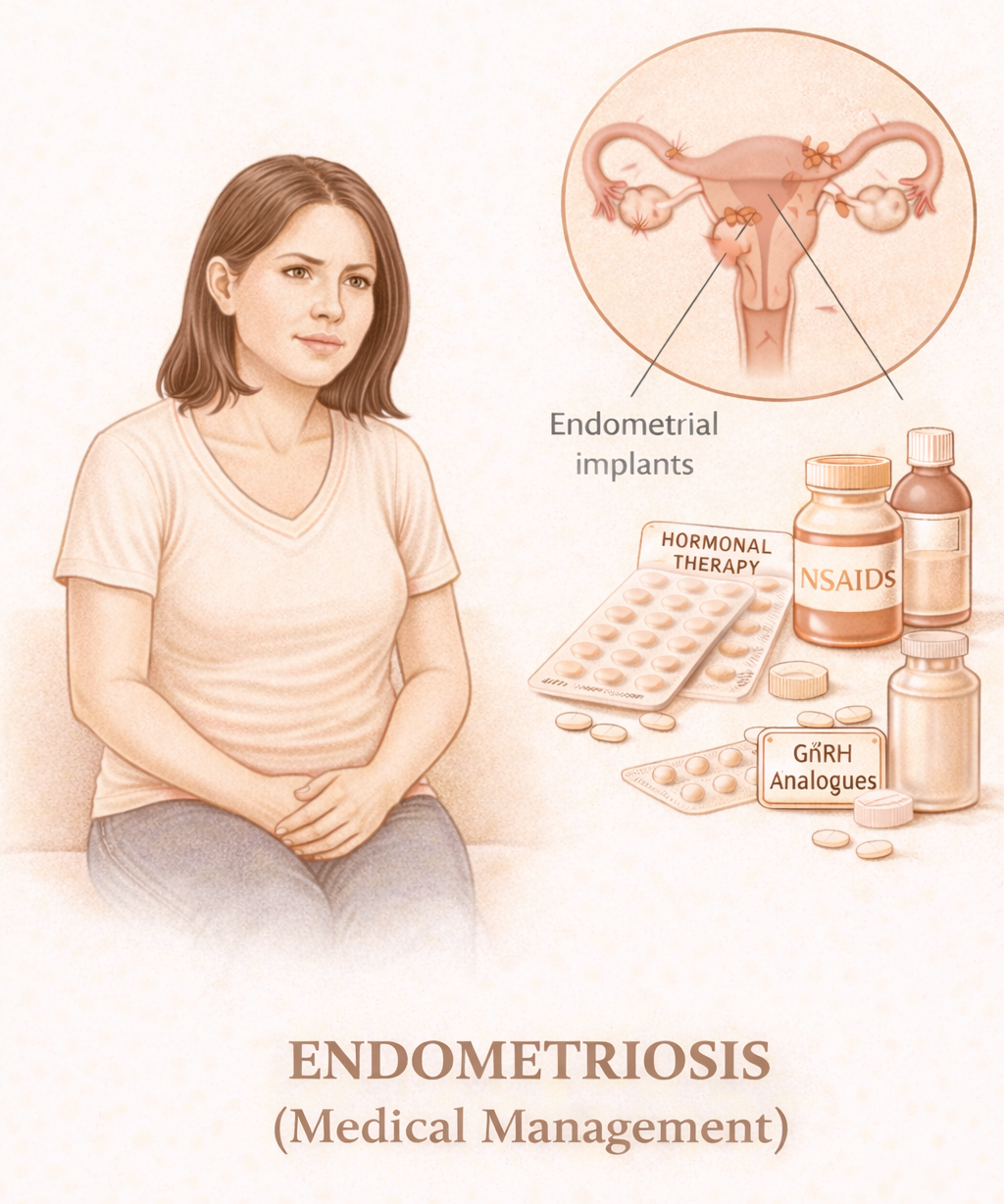
What it is: A chronic inflammatory condition where tissue similar to the uterine lining grows outside the uterus.
Why it matters: According to the CDC and NIH, endometriosis affects approximately 1 in 10 women and is present in up to 50% of women with infertility. Diagnosis is delayed an average of 7–10 years. Symptoms include severe period pain, chronic pelvic pain, pain with intercourse, digestive symptoms, and fatigue.
When neglected: Endometriosis can progress silently, leading to worsening pain, organ scarring, and fertility challenges. Medical management helps slow disease progression and reduce suffering.
These conditions are not rare. They are not minor. And they are not something you simply "have to live with."
Book an appointment with us to discuss your general gynecology needs
Call us at (703) 864-8244 or schedule online
Book Now