
The Foundation of Lifelong Women's Health
Preventive and wellness care is about caring for your health before problems become serious. It is proactive, personalized, and focused on protecting your future—not just treating illness after it appears. These visits allow us to look at your whole health: reproductive health, hormones, heart and bone health, sexual health, emotional well-being, and lifestyle factors.
According to the Centers for Disease Control and Prevention (CDC), many of the most serious health conditions affecting women—heart disease, cancer, diabetes, osteoporosis, and sexually transmitted infections—often develop silently for years before symptoms appear. Preventive care allows us to detect and manage these issues early, when outcomes are best.
Unfortunately, the CDC also reports that nearly 1 in 3 women delay or skip preventive care each year, often because they feel fine, are too busy, or worry about cost. Preventive care is an investment in your long-term strength, confidence, fertility, and independence.
Annual Gynecologic Exams
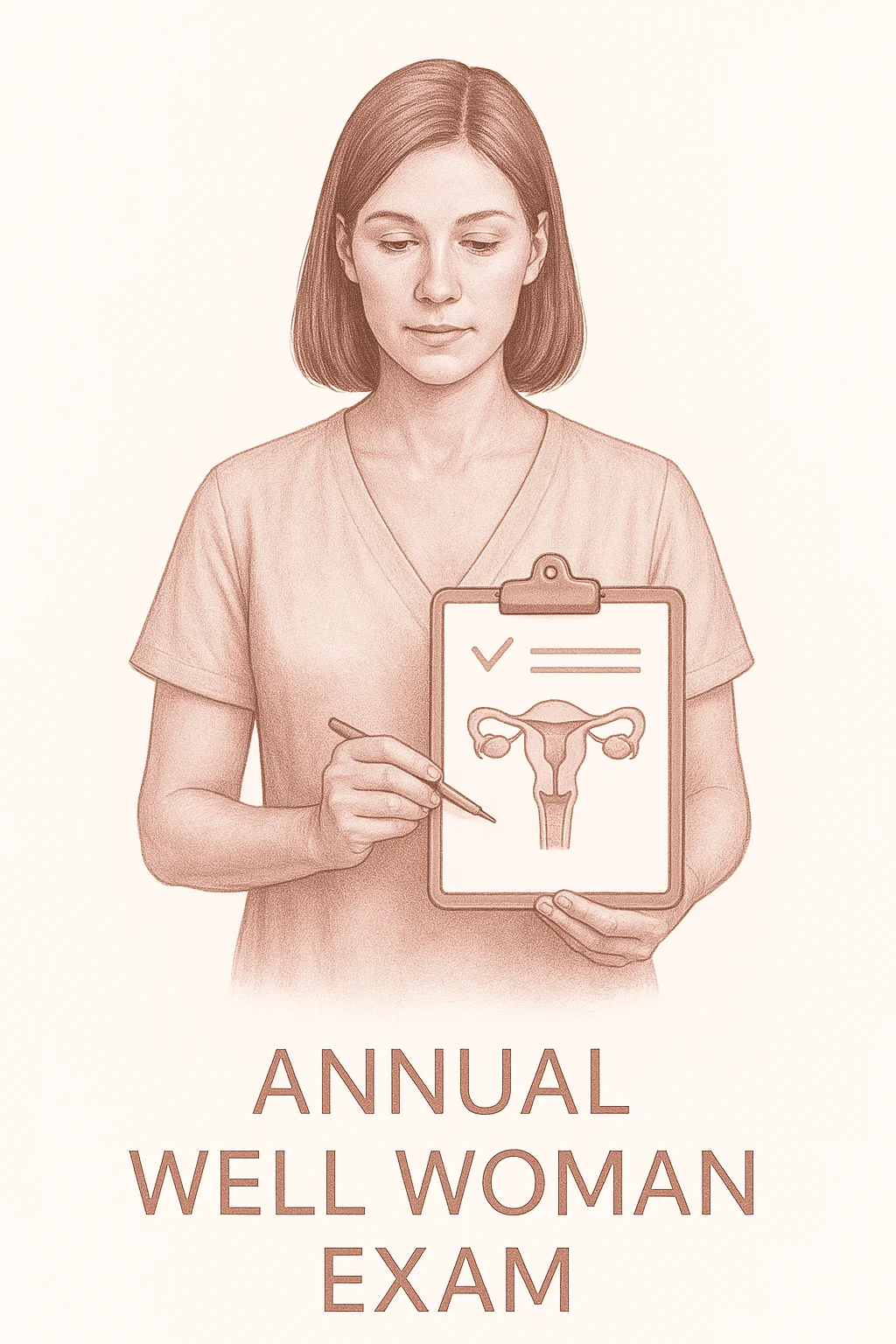
Why it's important: Your annual gynecologic exam is a dedicated space to focus on your reproductive and pelvic health. It allows us to monitor changes in your cycles, pain, bleeding patterns, bladder symptoms, sexual health, and hormone-related concerns. According to the American College of Obstetricians and Gynecologists (ACOG), many conditions such as fibroids, ovarian cysts, endometriosis, and pelvic floor disorders often develop slowly and can be detected early through routine care.
When neglected: Without regular exams, women often live for years with heavy bleeding, painful intercourse, chronic pelvic pain, or urinary leakage—conditions that become more severe and harder to treat over time.
Well-Woman Visits
Why they're important: Well-woman visits focus on your whole-body health, including blood pressure, weight, heart disease risk, sleep, stress, mood, nutrition, activity level, and family history. According to the CDC, heart disease remains the leading cause of death in women, yet many women are unaware of their personal risk factors. These visits help identify silent risks early—often years before symptoms appear.
When neglected: Untreated high blood pressure, cholesterol, and blood sugar can quietly progress toward heart attack or stroke without warning.
Pap Smears & HPV Testing
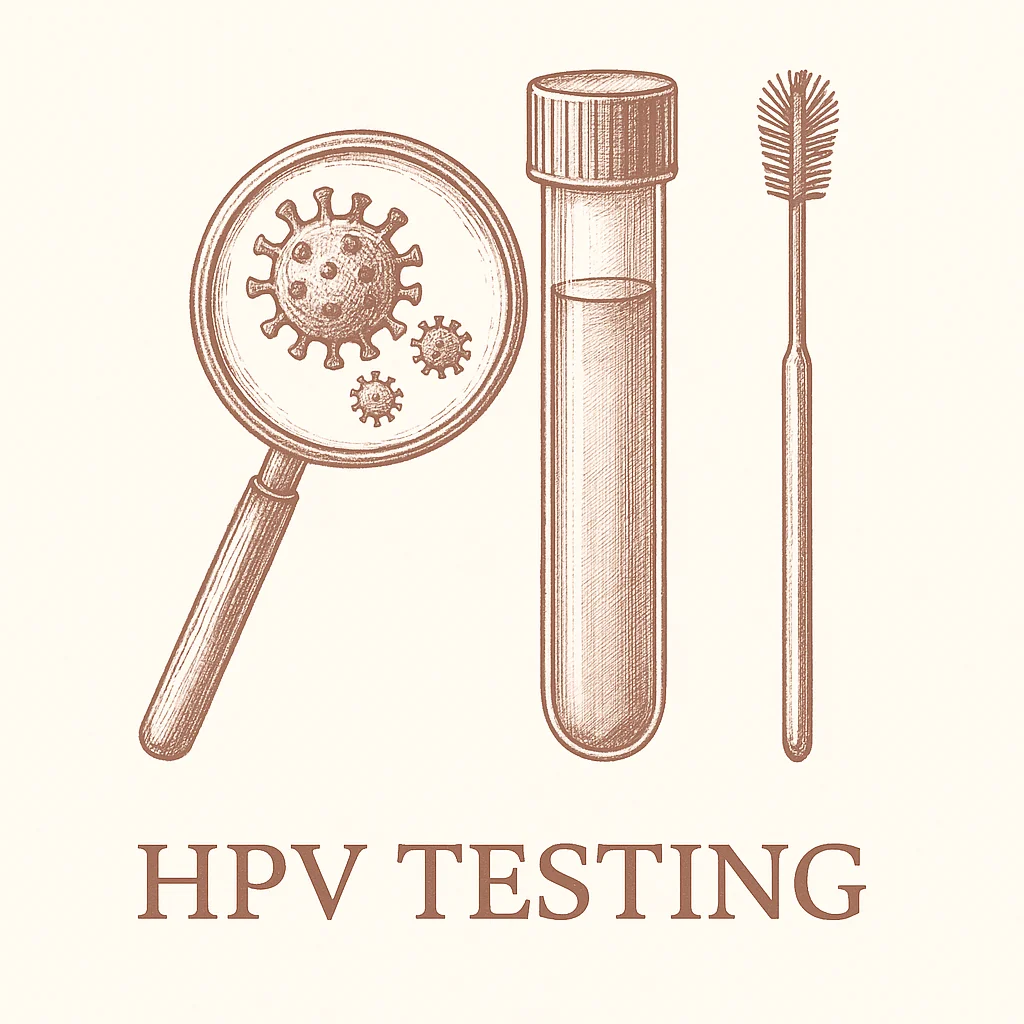
Why they're important: Pap smears and HPV testing detect cervical cell changes before cancer develops. According to the American Cancer Society, regular cervical cancer screening reduces both the incidence and death rate of cervical cancer by over 80%. The CDC reports that nearly 1 in 3 women in the U.S. are not up to date on cervical screening, and cervical cancer rates are now rising again in women in their 30s and 40s.
When neglected: Cervical cancer is one of the most preventable cancers—but when screening is missed, it is often diagnosed at later, more dangerous stages requiring chemotherapy, radiation, or radical surgery.
Breast Exams & Breast Cancer Risk Assessment
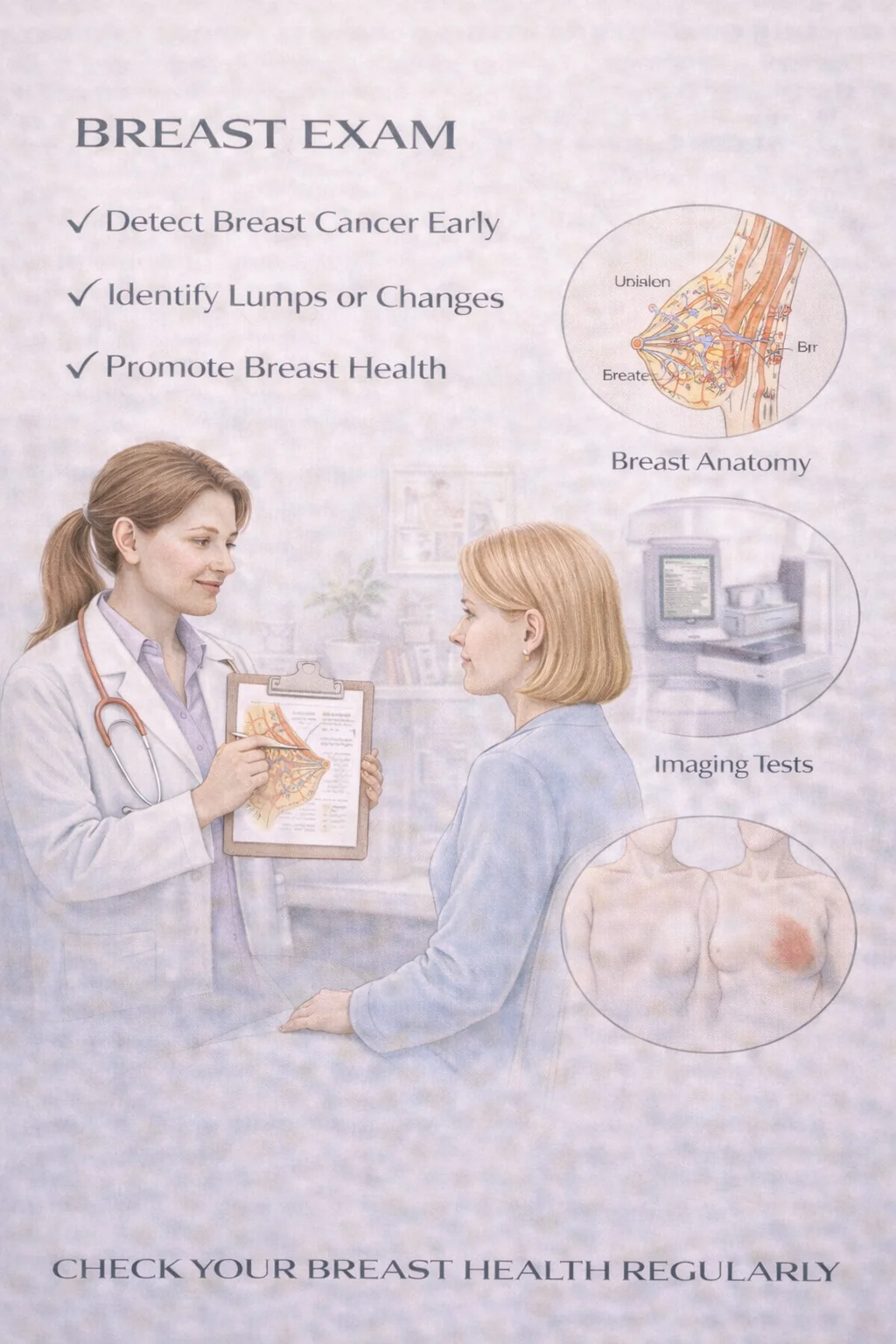
Why they're important: Clinical breast exams and personalized risk assessments help guide mammogram timing, genetic counseling when indicated, and advanced imaging for higher-risk women. According to the American Cancer Society, 1 in 8 women in the U.S. will develop breast cancer, and 1 in 43 will die from it. The CDC reports that women who skip routine screening are significantly more likely to be diagnosed at later stages when treatment is more aggressive.
When neglected: Later detection often means larger tumors, chemotherapy, more extensive surgeries, and higher emotional and physical burden.
STD/STI Testing & Treatment
Why it's important: According to the CDC, there are over 2 million new cases of chlamydia, gonorrhea, and syphilis diagnosed each year in the U.S., and many infections in women cause no symptoms at all. Untreated STIs can lead to pelvic inflammatory disease (PID), chronic pelvic pain, tubal infertility, and ectopic pregnancy.
When neglected: By the time symptoms appear, infection-related damage to fertility and pelvic organs may already be permanent.
Preventive Cancer Screening Counseling
Why it's important: Screening guidelines change based on age, history, genetics, and risk factors. According to the U.S. Preventive Services Task Force (USPSTF), proper screening for breast, cervical, and colorectal cancers significantly reduces death rates—but only when women receive the right tests at the right time.
When neglected: Many women assume "no news is good news," but delayed screenings often result in cancer being discovered only after symptoms develop—when survival rates are lower.
Bone Health & Osteoporosis Screening
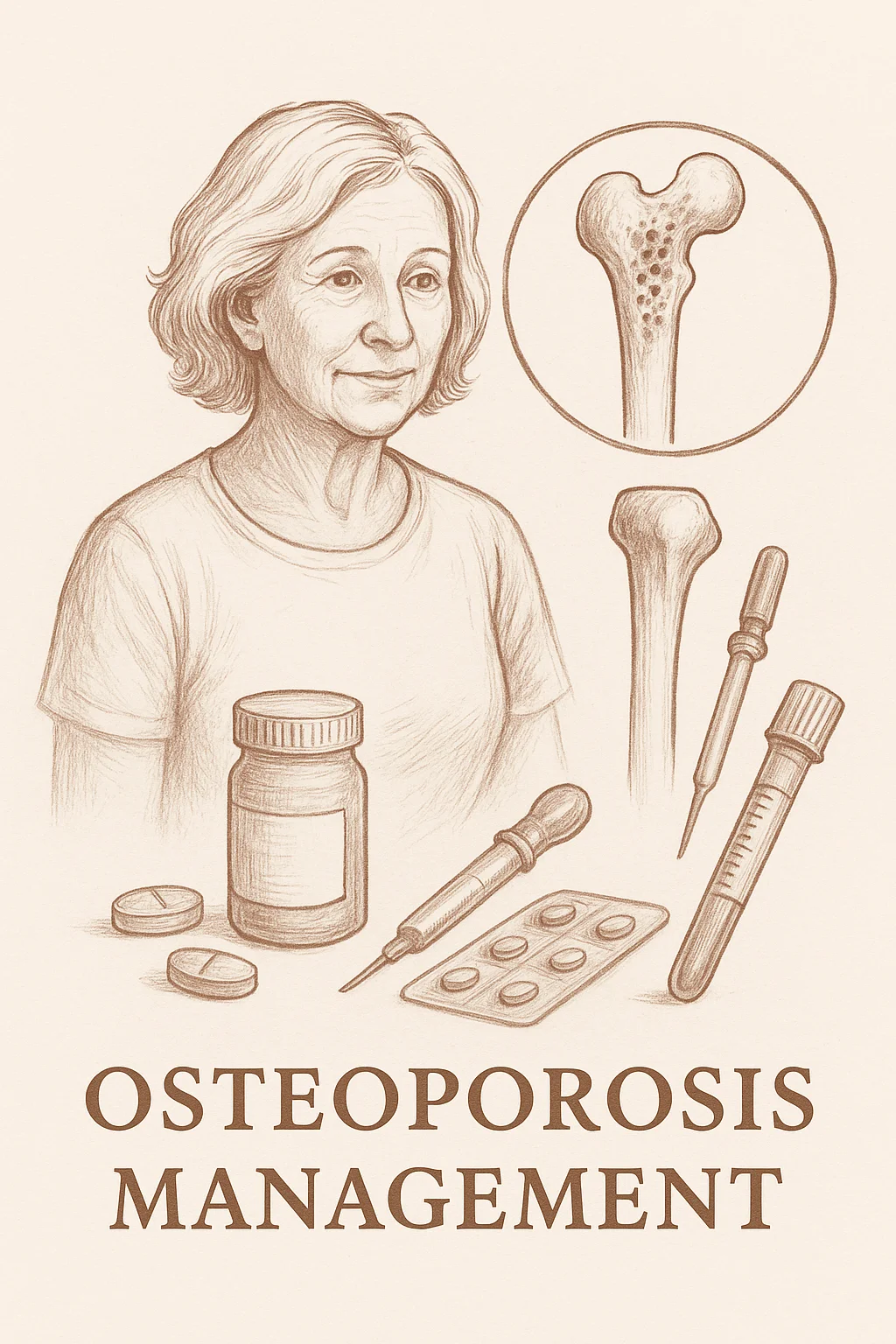
Why it's important: According to the National Institutes of Health (NIH) and CDC, over 25% of women over age 65 have osteoporosis, women account for nearly 80% of all osteoporosis-related fractures, and hip fractures in older women are associated with loss of independence and increased mortality.
When neglected: Most women don't know they have osteoporosis until after a fracture. Early screening allows for treatment that can prevent life-altering injuries.
Immunizations for Women's Health
Why they're important: According to the CDC, vaccines protect women from cervical and other HPV-related cancers, pregnancy-related infections, flu, pneumonia, hepatitis, shingles, and whooping cough. The HPV vaccine alone has been shown by the CDC to prevent up to 90% of HPV-related cancers, including cervical, vaginal, and vulvar cancers.
When neglected: Vaccine-preventable infections can result in hospitalization, pregnancy complications, infertility, and long-term disability.
Wellness & Lifestyle Counseling
Why it's important: According to the CDC and American Heart Association, regular physical activity reduces a woman's risk of heart disease by up to 35%, and strength training lowers fracture risk and improves metabolic health. This counseling also creates space to discuss weight changes, fatigue, burnout, sleep problems, stress, anxiety, and emotional health.
When neglected: Without support, many women slowly drift into patterns that increase long-term disease risk while feeling exhausted, overwhelmed, or dismissed.
Preventive & wellness care protects your fertility, your heart, your bones, your hormones, your immune system, your emotional well-being, and your future independence. It is not "just a routine visit"—it is one of the most powerful tools in modern medicine for helping women live longer, stronger, healthier lives.
Book an appointment with us to discuss your preventive & wellness care needs
Call us at (703) 864-8244 or schedule online
Book Now